 Posted by: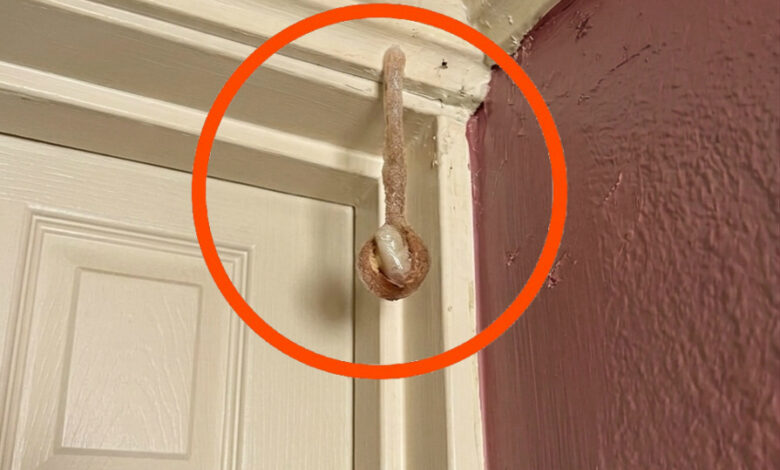
The sun had barely broken over the horizon when we first stepped into the room, and the promise of a perfect vacation hung thick in the warm, coastal air. We had spent months saving for this getaway, carefully choosing a boutique hotel that promised a flawless blend of seaside luxury and tranquil seclusion. The room was immaculate, radiating a sense of comfort and pristine elegance. Gleaming white sheets, polished mahogany furniture, and expansive floor-to-ceiling windows offered a panoramic view of the sparkling turquoise ocean. It was our sanctuary, a carefully curated haven designed to help us escape the relentless grind of everyday life. For the first two days, we lived in a beautiful bubble of bliss, completely unaware of the intricate, miniature ecosystem operating right beside us in the quiet corners of the room.
The discovery did not happen with a dramatic gasp, nor did it begin with a sudden fright that sent us running for the door. It began on the third afternoon in a completely unassuming way. I was sitting on the edge of the plush king-sized bed, scrolling through photographs from the morning’s coastal hike, when my gaze drifted toward the upper corner where the pale blue wall met the white crown molding. A strange, unusual column of dried mud caught my attention. It was small, cylindrical, and clinging to the pristine surface like a bizarre, misplaced architectural anomaly. At first glance, it looked like a careless drip of cement from some past renovation, or perhaps an oddly shaped piece of debris left behind by the cleaning staff. My husband, ever the curious one, walked over to get a closer look, squinting against the bright, afternoon sunlight filtering through the curtains.
As he leaned in, his expression shifted from casual curiosity to deep fascination, and then, slowly, to absolute revulsion. He beckoned me over, his voice a hushed whisper so as not to break whatever spell had created the object. Peering closely, we realized the structure was not a mere smudge of dirt or an imperfection in the plaster. It was a meticulously crafted mud dauber wasp nest. The earthen cylinder was engineered with the precision of a master builder, layer upon layer of wet soil dried into a solid, impenetrable fortress. It was a stunning masterpiece of biological architecture, but the true horror lay in the terrifying realization of what was contained within those dark, earthen walls.
A wave of nausea washed over me as the gruesome details suddenly came into focus. We had been sleeping, laughing, and eating just inches away from this tiny, hidden nursery. Inside the dark, secretive chambers of that mud tube, a wasp larva was quietly developing, growing and feeding in the quiet dark. But it was not alone. The mother wasp had engaged in a macabre act of maternal preservation. Surrounding the growing larva were dozens of paralyzed spiders, meticulously hunted, stung, and stored as a fresh, living food source for the offspring. The sheer thought of this silent, predatory larder existing just a foot above where we rested our heads was enough to send a cold shiver straight down my spine.
The pristine, romantic vacation room instantly transformed in our minds, altering the entire atmosphere of our getaway. The polished walls no longer felt like a strong, impenetrable barrier between us and the wild outside world; they felt like a fragile membrane, barely separating us from the raw, indifferent forces of nature. Every shadow in the room suddenly seemed suspicious. We began to look at the elegant bedside lamps, the flowing drapes, and the beautiful headboard with a newfound paranoia, wondering what other microscopic or creeping secrets might be lurking in the unseen corners of our temporary home. The illusion of complete human control and total separation from the environment was shattered in an instant, leaving us feeling vulnerable in the very place meant to be our safe haven.
We stood there in the middle of the room, trapped in an awkward dilemma. We were half-embarrassed by our own fear and half-freaked out by the unsettling implications of the nest. Were we being overly dramatic? After all, the creature, whatever it was, was trapped in its sturdy mud shell, and the spiders were long paralyzed, posing no immediate threat to us. But the psychological weight of knowing about the morbid little fortress was simply too heavy to bear. We looked at each other, shared a silent understanding, and decided to swallow our pride. With trembling fingers, I picked up the room phone and dialed the front desk.
Trying to sound composed, I explained the situation to the concierge, carefully choosing my words to avoid sounding hysterical. I could hear the slight hesitation on the other end of the line, a mix of mild surprise and utmost professionalism, as they processed the bizarre nature of our complaint. Within ten minutes, a member of the maintenance staff knocked at our door, armed with a toolkit and a quiet, unassuming demeanor. He listened patiently as we pointed out the mud dauber nest in the upper corner of the room, far above the reach of the casual observer. He examined the earthen structure with the calm, practiced eye of someone who had seen it all before.
With swift, calculated movements, the staff member used a thin scraper to carefully detach the nest from the wall, ensuring it did not break and spill its contents onto the pristine carpet. There was no drama, no sudden emergence of a dangerous swarm, and no defensive stinging from the occupants. It was just a quiet, clinical end to what felt like a brief, surreal horror story. The technician placed the nest into a small cardboard box, nodded politely, and wished us a pleasant rest of our day, leaving the room as pristine and silent as it had been when we first checked into the hotel.
Yet, the image of that nest stayed with me long after it was removed from our room. I found myself staring at the slight discoloration on the wall where the mud had been scraped away, thinking about the broader implications of what we had witnessed. It was a powerful reminder of how something so unsettling, so mysterious, and so inherently macabre at first glance was simply nature doing what it always does to survive. The wasp was not acting out of malice or a desire to ruin our vacation; it was merely following ancient, biological instincts, building a safe haven for its young even on the polished, sanitized walls of a luxury hotel.
Our perspective on the entire trip shifted from that defining moment on. The bubble of our human-centric world had been temporarily popped, allowing us to see the vast, interconnected web of life that operates constantly beneath our notice. We returned to enjoying the beautiful beaches, the warm sunshine, and the exquisite local cuisine, but we carried with us a much deeper appreciation for the hidden, wild world that exists right beside us. It was a humbling reminder that we are merely visitors on a planet teeming with relentless, quiet life.